
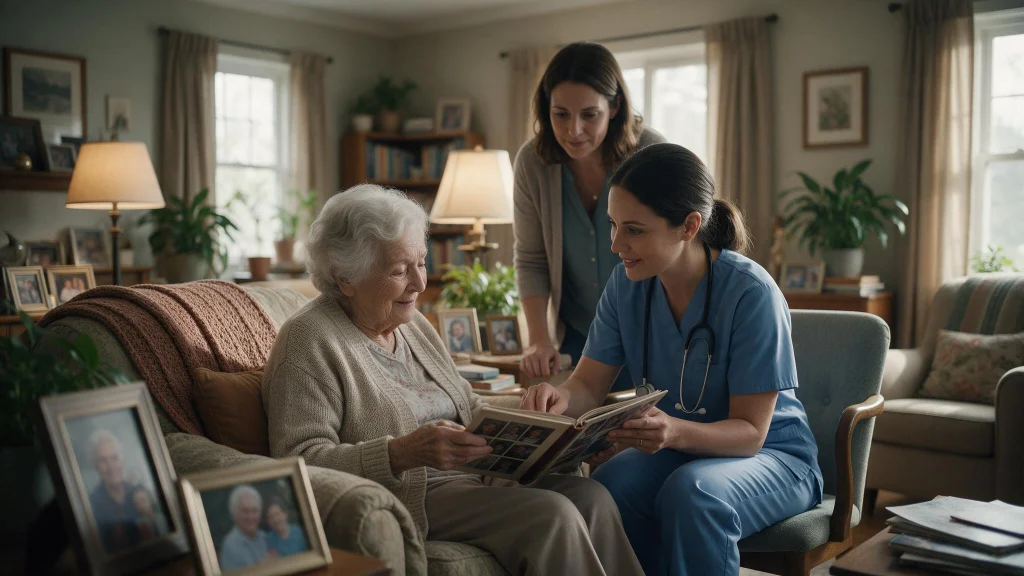
What Is Personal Care Assistance?
Personal care assistance is nonmedical, hands-on support that helps a person complete essential daily routines at home. It may include help with bathing, dressing, grooming, toileting, walking, transfers, meal preparation, and other activities that protect comfort and independence. For many Virginia families, personal care assistance makes it possible for an older adult or a person with a disability to continue living in familiar surroundings with the right level of help.
The goal is not to take over every task. Good personal care starts with what the person can still do safely, then adds respectful support where it is needed. The amount and timing of care should reflect the individual’s abilities, routines, preferences, home environment, and family support.
Eveready Home Care’s Personal Care Assistance service is designed to support daily living while preserving comfort, dignity, and independence at home.
What Does Personal Care Assistance Include?
Personal care focuses on activities of daily living, often called ADLs. These are the everyday personal tasks people need to manage their health, hygiene, movement, and routine. Depending on the approved care plan and the caregiver’s role, assistance may include:
- Bathing or showering, with attention to privacy and fall-risk reduction
- Dressing, grooming, oral hygiene, and other morning or evening routines
- Toileting and continence support
- Walking, repositioning, and transfers between a bed, chair, or other safe surface
- Meal preparation, eating assistance, and hydration reminders
- Medication reminders within the caregiver’s permitted nonmedical role
- Light housekeeping connected to the person’s immediate care and comfort
- Observation and reporting of meaningful changes to authorized family members or supervisors
The exact services should be written into an individualized care plan. Families should ask the provider which tasks are included, how caregivers are trained, and when a nurse or other licensed professional is required.
When walking or transfers are a primary concern, Eveready’s Mobility Assistance page explains support intended to help clients move more safely at home.
ADLs and IADLs: Understanding the Difference
Care professionals often separate daily tasks into activities of daily living and instrumental activities of daily living. The terms can help families describe what is becoming difficult and choose an appropriate level of support.
| Type | Examples | What it may indicate |
| ADLs | Bathing, dressing, grooming, toileting, eating, walking, and transfers | Difficulty may point to a need for hands-on personal care assistance. |
| IADLs | Meals, shopping, transportation, light housekeeping, appointments, and reminders | Difficulty may be addressed through companion care, home support, personal care, or a combination. |
Who May Benefit from In-Home Personal Care?
Personal care assistance is not limited to one diagnosis or age group. It may help someone whose strength, balance, coordination, memory, or endurance makes daily routines difficult. It can also support a safer transition home after an illness, injury, or hospital stay, as long as the person’s needs can be met within a nonmedical care plan.
Common signs that an assessment may be useful
- Bathing, dressing, or grooming is being skipped or has become unsafe.
- Getting up from a bed or chair requires increasing effort or hands-on help.
- There have been changes in walking, balance, or confidence moving around the home.
- Meals and fluids are inconsistent because preparation has become difficult.
- A family caregiver is regularly providing physical help and needs dependable support.
- Daily routines have become stressful, rushed, or difficult to complete with dignity.
A sudden or significant change in health, behavior, strength, or mobility should be discussed with an appropriate healthcare professional. Home care can support a plan, but it does not replace diagnosis, emergency care, or skilled clinical treatment.
Families who are unsure where to begin can request a Needs Assessment to discuss routines, risks, preferences, and the level of support that may fit.
Personal Care vs. Companion Care
Personal care and companion care are both forms of in-home support, but they address different needs. Companion care centers on social connection, supervision, errands, light meals, and routine household help. Personal care adds direct assistance with private daily activities such as bathing, dressing, toileting, and transfers.
Some clients need both. A personal care visit may include conversation, meal support, and companionship alongside hands-on assistance. The care plan should describe the combination clearly so the client, family, and caregiver share the same expectations.
Review Eveready’s Companionship Care service when loneliness, social engagement, errands, or light routine support is the primary concern.
Personal Care Is Different from Skilled Nursing
Personal care assistance supports daily living; skilled nursing provides clinical services that require an appropriately licensed professional. A person who needs wound care, injections, complex medication management, or other clinical treatment may require nursing support in addition to—or instead of—nonmedical personal care.
For information about clinical support at home, visit Eveready’s Private Duty Nursing page and confirm eligibility and service details with the care team.
How an Individualized Care Plan Supports Independence
Two people may both receive personal care assistance and still need very different schedules. One person may need help with a morning routine several days a week. Another may require assistance throughout the day with mobility, toileting, meals, and repositioning. A useful care plan turns general service labels into clear, practical instructions.
The plan should identify the tasks to be completed, the safest way to provide help, the person’s preferences, the visit schedule, communication expectations, and the signs that should trigger a reassessment. It should also be reviewed after a hospitalization, fall, change in mobility, change in cognition, or shift in family availability.
How to Choose a Personal Care Provider in Virginia
A provider should be able to explain how care is assessed, staffed, supervised, and updated. During a consultation, consider asking:
- How do you assess abilities, routines, preferences, and home-safety concerns?
- Which personal care tasks can your caregivers perform, and which tasks require a nurse?
- How are caregivers screened, trained, matched, and supervised?
- How do you protect privacy and dignity during hands-on care?
- Who does the family contact when needs or schedules change?
- What backup plan is available if the regular caregiver cannot attend?
- How often is the care plan reviewed, and what prompts a reassessment?
- Can you explain rates, minimum visit lengths, billing, and cancellation policies in writing?
Clear answers help families compare providers on more than price. Consistency, communication, caregiver fit, appropriate supervision, and a plan that can change over time all influence the quality of the experience.
Personal Care Assistance for Virginia Families
Eveready Home Care serves families in Dumfries, Sterling, Hampton, Arlington, and surrounding Virginia communities. Local access can matter when a family needs an assessment, wants to coordinate schedules, or must adjust care after a change in routine or health.
Before the first visit, write down the tasks that feel difficult, the times of day when help is most useful, mobility or home-safety concerns, and the client’s preferences. This makes the initial conversation more focused and gives the care team a stronger starting point for a personalized plan.
Frequently Asked Questions
Is personal care assistance medical care?
Usually, personal care is nonmedical support with daily living activities. Clinical services are provided by appropriately licensed professionals. Ask the agency to explain the scope of each service and caregiver role.
How many hours of personal care does someone need?
There is no single schedule that fits everyone. Hours depend on which tasks require help, when they occur, family availability, safety concerns, and the person’s preferences. An assessment can help define an appropriate starting schedule.
Can personal care include companionship?
Yes. A personal care visit can also include conversation, meal support, reminders, and social engagement when those activities are included in the care plan.
When should a care plan be updated?
Request a review after a meaningful change in mobility, health, cognition, routine, living environment, or family support. Regular check-ins can also help keep the plan aligned with current needs.
How do we get started with Eveready Home Care?
Contact the Eveready team to describe the person’s daily routine and arrange a conversation about available services, assessment, scheduling, and next steps.
Take the Next Step Toward Safer Daily Support
Personal care assistance can make everyday routines more manageable while respecting the abilities a person still has. The right plan begins with a clear understanding of where help is needed, what the person prefers, and how family members want to stay informed.
Ready to discuss your family’s needs? Contact Eveready Home Care to ask about personal care assistance and arrange an assessment in your Virginia community.